
Secondo piatto raw ch 51
Gallery



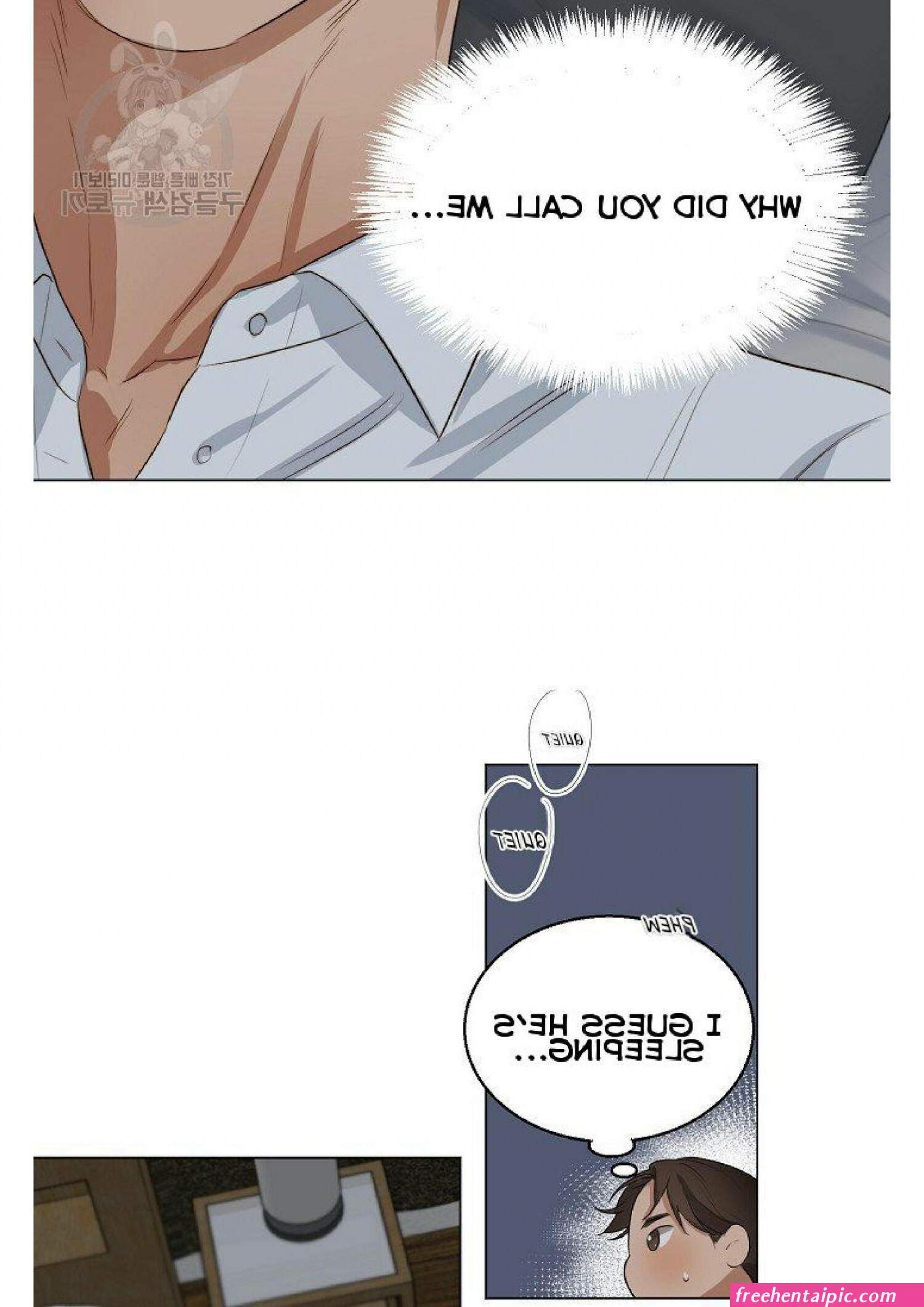

Secondo Piatto – Chapter 1 : The sympathizing romance between two men letting go of their unrequited love?! Tae Hyun-wook is the young team leader in charge of the Violent Crimes Unit who graduated from the National Police University. He believed that someday he’d marry Heesun, his female friend for whom he bears a long-time one-sided love.
“Hyun-wook, I’m getting married.”
At the announcement of Heesun’s marriage, Hyunwook pretends hard to look calm and congratulate her. Besides, to help her prepare for the wedding, he even stupidly meets her in a restaurant called ‘Secondo Piatto’ in an attempt to put on a prideful act… Seo Wonyoung is the owner and chef there. He’s an old friend of Minseok, Heesun’s soon-to-be husband.
But the detective’s intuition tells him that there’s something odd in the way Wonyoung looks at Minseok…? At first he pretends it’s just a passing coincidence, but he proves himself right on the wedding day, when he sees Wonyoung, on his knees, crying out for Minseok in the empty restaurant…!
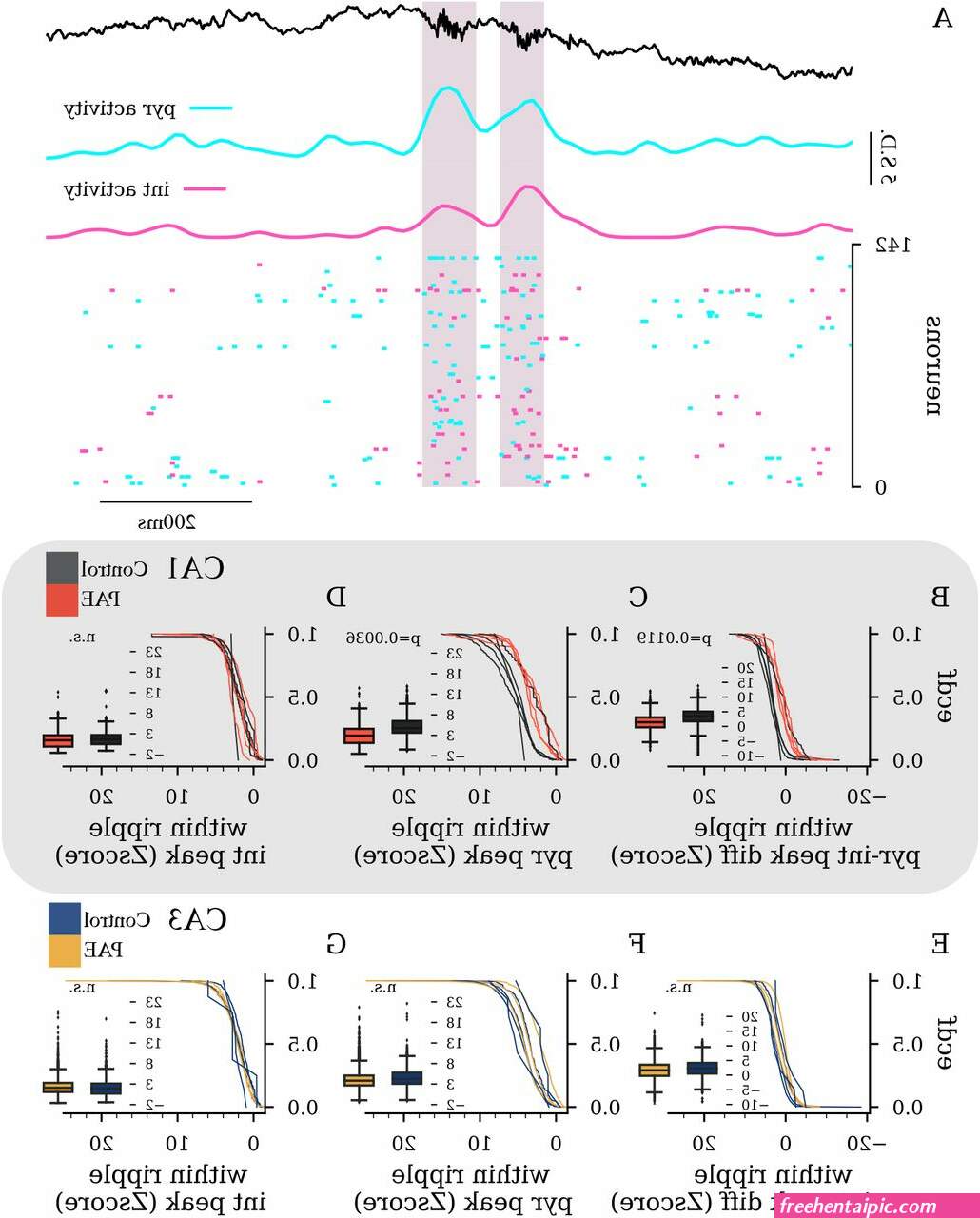
The relative contribution of excitatory and inhibitory signals during SPW-Rs. (A) Example demonstrating population activity over time and its association to SPW-Rs and spiking activity. Top: raw LFP with shading to denote SPW-R epochs. Middle: concurrent population activity from pyramidal cells (pyr) and interneurons (int). Bottom: Raster plot of individual units color coded by their cell classification. (B) Comparison of the within-ripple pyramidal-interneuron peak difference (pyramidal population activity peak subtracted by interneuron population activity peak for each SPW-R epoch). Note that the control group’s scores are larger indicating that, in the control group, pyramidal cell activity was larger relative to inhibitory activity during SPW-Rs, whereas pyramidal and interneuron activity was more similar in the PAE group. (C) Comparison of the within ripple pyramidal peak activity (peak value of population activity within each SPW-R epoch). Note that scores from the PAE group as significantly decreased. (D) Comparison of the within ripple interneuron peak activity (peak value of population activity within each SPW-R epoch). (E-G) Same comparisons as B-D, but for CA3. Note that comparisons within CA3 were not significantly different.
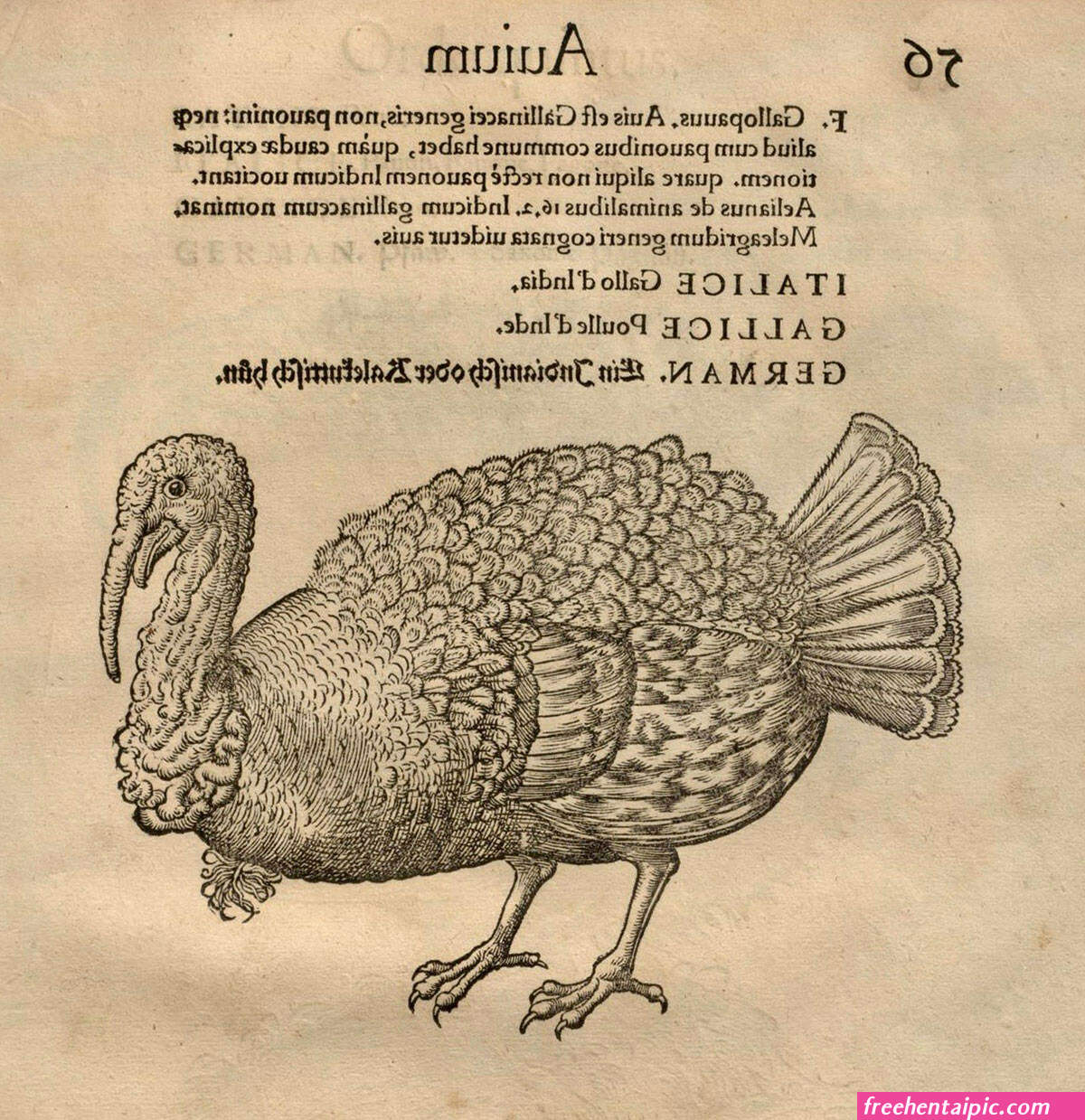
“The convenience that one draws from the hen of India, because of the abundance of precious flesh, of which it honors the table of the lord in all seasons, & the eggs that it gives at certain times of the year; overcome the difficulties of its breeding & food, under which we wanted to govern this cattle, when it first came to our knowledge. Believing that because it is a foreigner, he could only live & multiply here with extreme care & expense. But the time master of the arts, taught us that these birds, be of fair maintenance without excessive cost, raise in almost any air, although the warm is the cleanest & pleasant, as the closest to its natural, & maintain with moderate care.”
Pollanchotte d’India arrosto, servite con un rosone sotta di pasta di sfoglio, e quattro vuoti, che in ogni vuoto era una pollancha, in mezo al quale era un vaso fatto di pasta di zuccaro, tocco d’oro, con una coroncina di zuccaro intorno al piatto tocca d’oro. (April 1622, meal offered by Cardinal Aldobrandino to illustrissime Ludovisi e Pio, for his unannounced visit) [Large roasted turkeys, served with a large rose of puff pastry, and four openings, in every there was a small turkey, and in the middle there was a vase made of sugar paste, with a touch of gold, and a crown of sugar around the plate, with a touch of gold].
In conclusion, it is reasonable to infer from our analysis that there is no a single number that summarizes the complexity of CD in the human diet worldwide. Until the dynamics of CD over space and time are better defined, doctors could advice patients and communities at risk to cook their meals better and give other simple suggestions, such as avoiding high-risk foods that are commonly consumed raw (
The preprocessing of the Blood Oxygen Level-Dependent (BOLD) functional data in the resting state was completed as follows. The initial five functional volumes were removed to achieve a signal equilibrium. Then the middle-time volume of each TR was defined as the reference volume, and its skull-stripped version was generated. Slice-time correction was conducted, and the BOLD reference was co-registered to the T1w reference with 6 degrees of freedom using bbregister (FreeSurfer), which implements boundary-based registration. After that, the head-motion parameters (transformation matrices and six corresponding rotation and translation parameters) were estimated. Subjects whose head motion exceeded 3 mm of displacement or 3° of angular rotation were excluded (Note that one rTLE patient and one HC were excluded for exceeding 3° of rotation). Normalization for surface data and volume data were performed in fMRIPrep. The processed BOLD series was normalized onto the FreeSurfer's fsaverage5 space with antsRegistration (ANTs). Meanwhile, the processed BOLD series was normalized into the MNI space and resampled into a 2-mm isotropic voxel size. Nuisance covariate regression was performed with the DPABISurf module for both surface and volume functional data. The Friston 24-parameter model (i.e., 6 head motion parameters, 6 head motion parameters one time point before, and the 12 corresponding squared items) was used to regress out head motion effects. Any participant with a mean frame displacement (FD) >2 mm was excluded. The white matter and CSF signals also were regressed out as covariates. We did not perform global signal regression (GSR) due to the controversy concerning its effect on the raw distribution of FC (
❖ Vortical flow: the particles make rotations in the flow field, with streamlines that draw a whirlpool-like flow pattern. Some conditions, such as aortic aneurysms and valvulopathies, are correlated with the presence and the intensity of vortex flows (


