
Human sex
Gallery
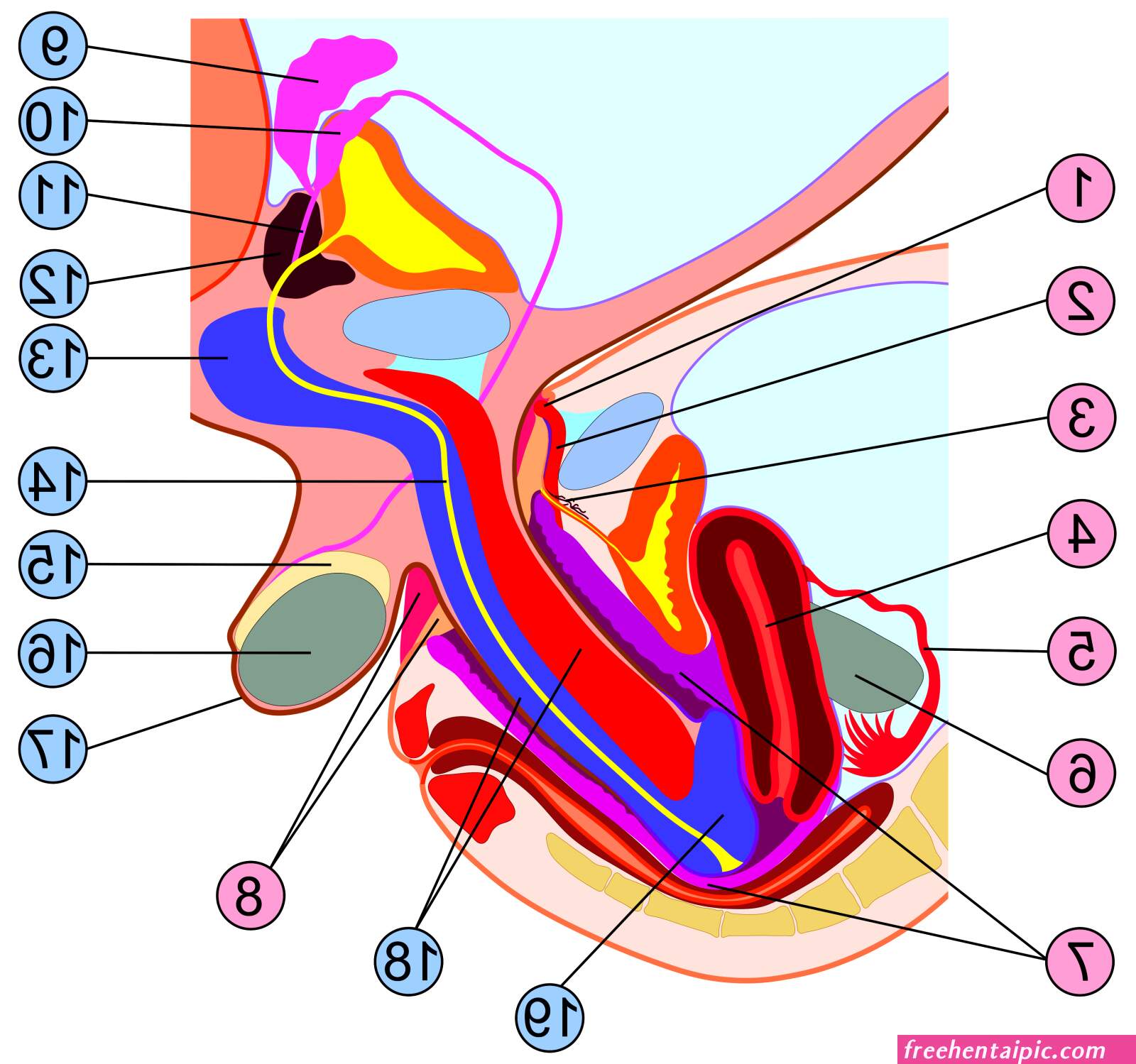



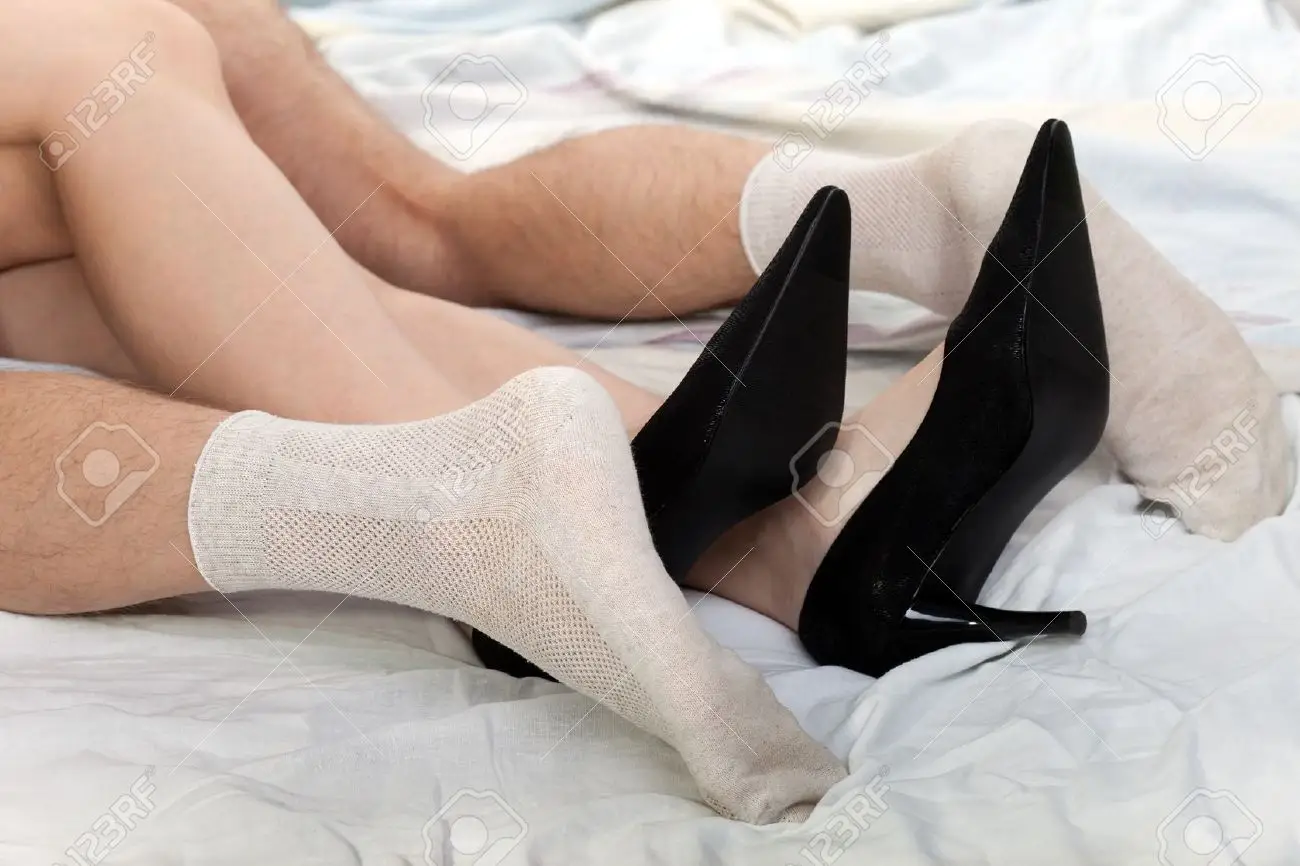
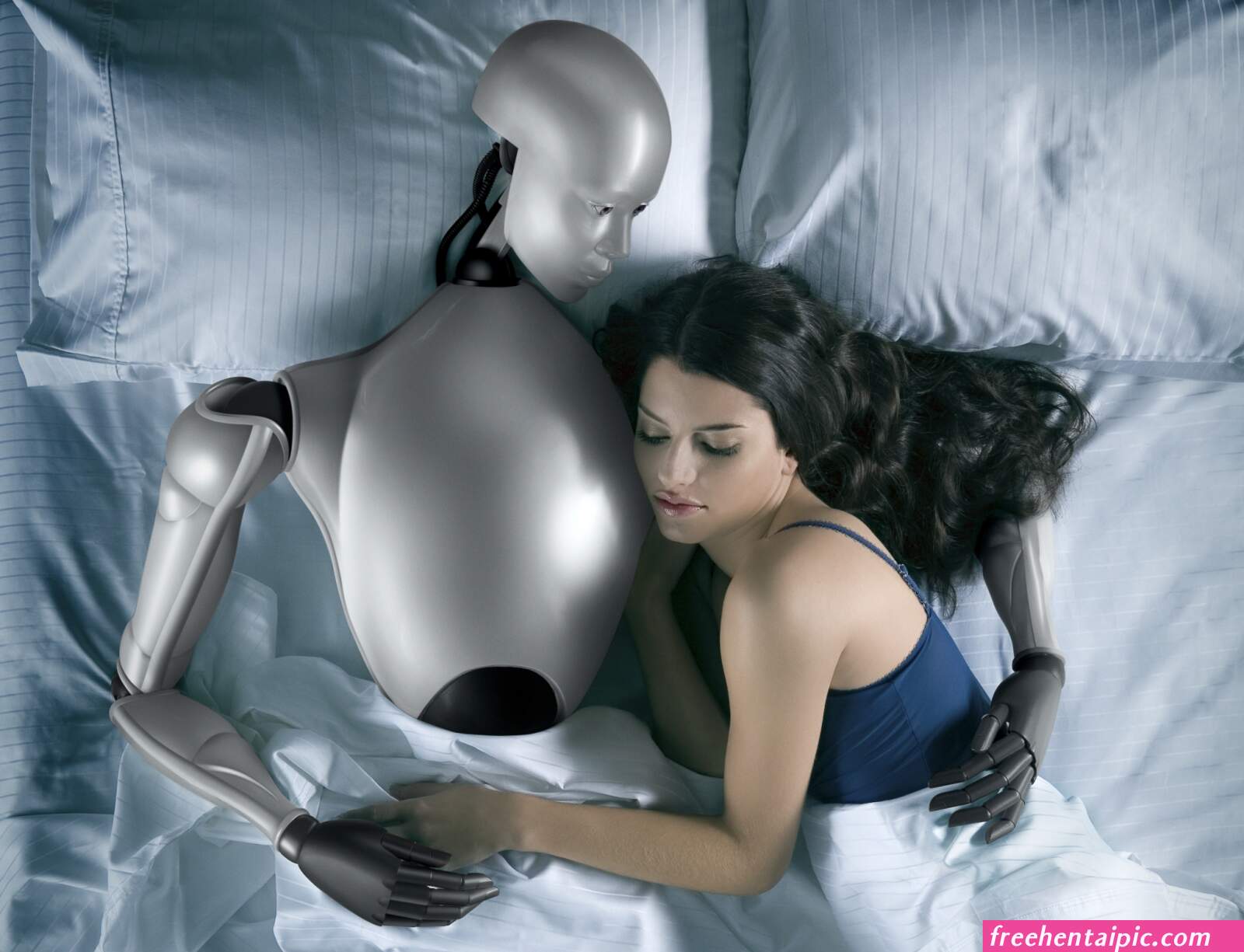


Couple in bed. Human sexual activity. really man having sex with girl in sexual dress. reality. Dirty. Photo about erogenous, body, couple, flirt, nude, lover, kiss – 127073667
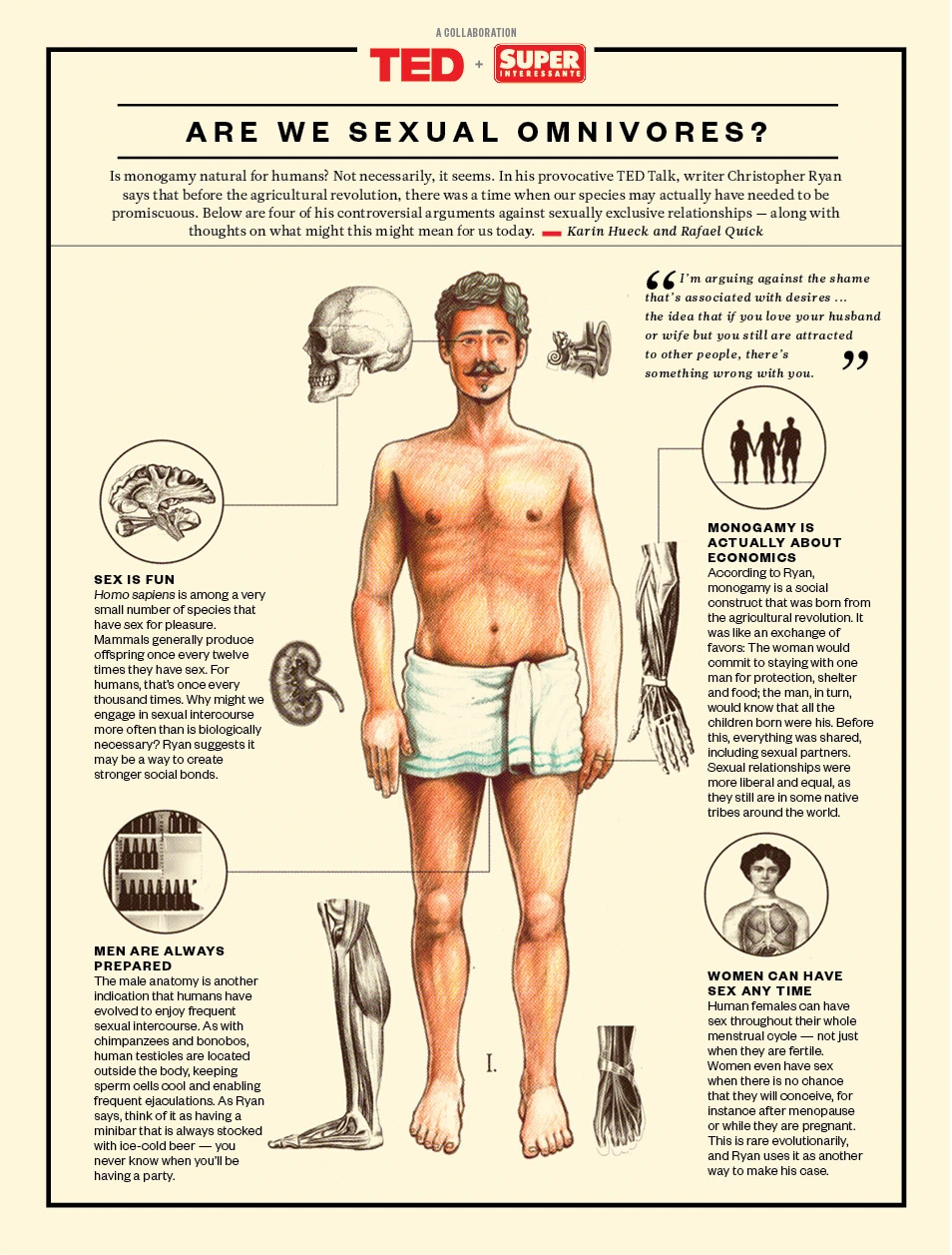
Humans are living longer than ever. That is generally great except when it comes to monogamy—it's a lot harder to stay sexually interested in one person for decades on end. That's where trying to introduce new things in the bedroom comes into play. On a related note…
@article{Prokop2017PreliminaryEF, title=, author=, journal=, year=, volume=, pages= }
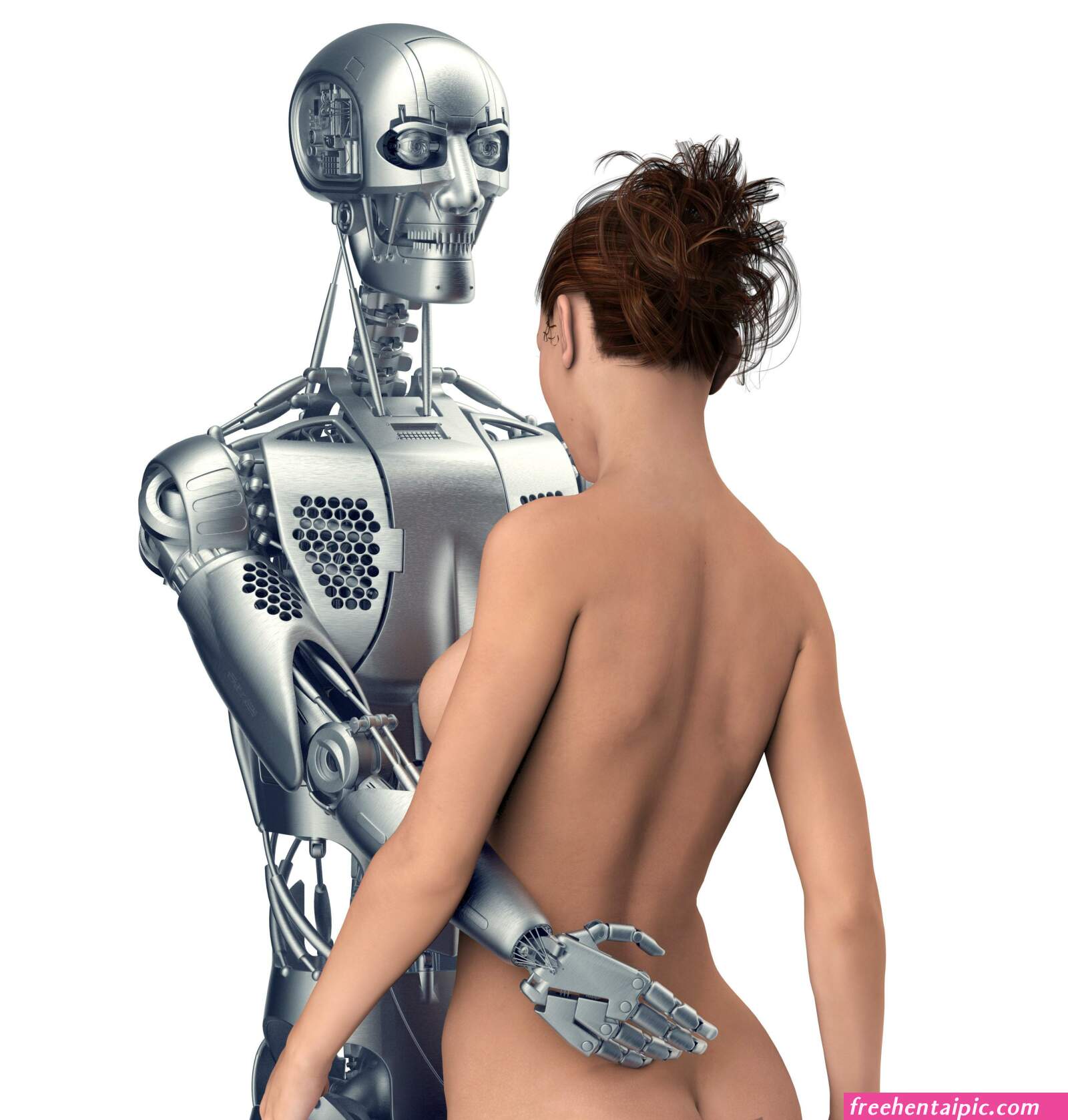
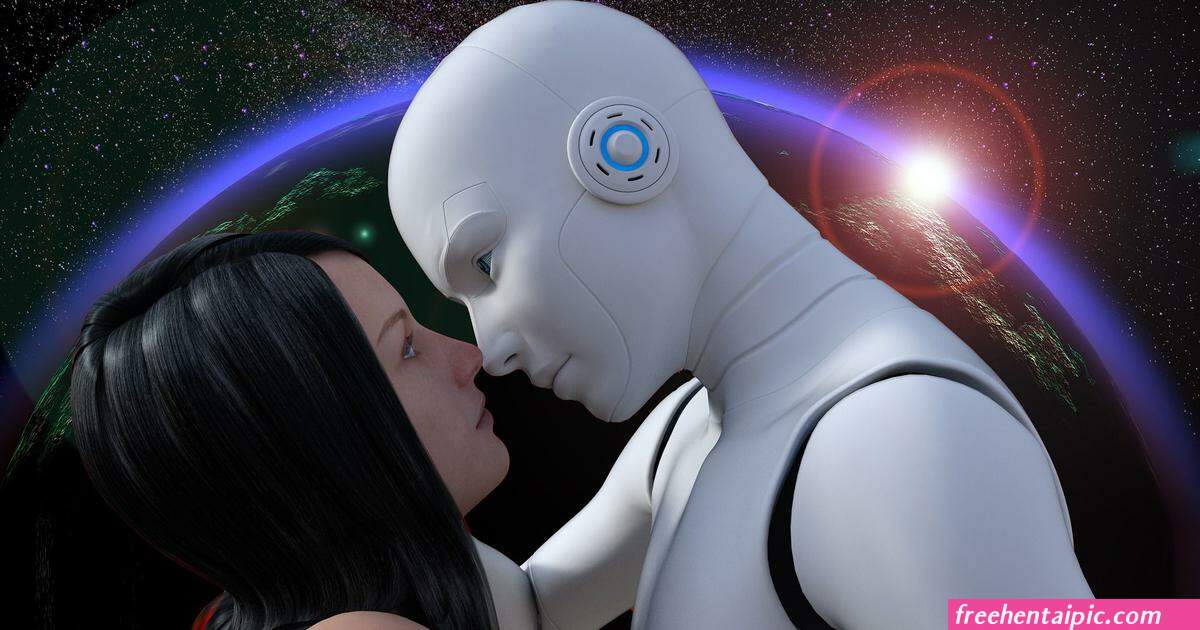
A SCOTS festival is set to discuss humans having sex with robots – as an expert says people need to face up to it.
The solution, he says, is for us all to learn more about sex – which is where his book comes in. “It’s not possible to understand our intimate sex lives without looking at centuries of history, and even the origins of human life,” he says. “We understand what we live today if we understand from where we came.”
When it comes to sex, will humans ever be liberated from the basic biological needs that drove our evolutionary past?
Evolutionary psychology offers one compelling answer to this question. It tells us that, for all its complexity, human desire is the result of something quite simple: our struggle to stay alive. Lust, infatuation, true love – these are all just mechanisms we have acquired in order to reproduce and to keep our children alive. Meaning that, when we look for sex, we are actually, unbeknown even to ourselves, acting in ways that are highly strategic and rational. We are using adaptive techniques that humans developed over our species’ long history, in order to maximise their genes’ chances for survival.
Humans have adapted to a wide variety of ecological niches, and part of that could be due to our sexual plasticity
Someone who reads only the media coverage might wonder why anyone takes the evolutionary study of sex (ESS) seriously. It is easy to caricature, and many of its followers seem intent on doing the job themselves. In the past couple of years, evolutionary psychologists have been able to grab reporters’ attention by suggesting, for instance, that men with smaller testicles make better fathers, that men with attractive partners perform oral sex more often because they’re checking for competitors’ sperm, and that women have orgasms in order to attract mates willing to commit to raising offspring. Stories such as these have given plenty of ammunition to critics of ESS and, as a result, many people now dismiss it out of hand. And that’s a shame, because the discipline has stimulated some genuinely original thinking about human sexual behaviour. A closer look at its history can give a sense of its sophistication.
Evolutionary psychology has also been criticised for its focus on heterosexual desire. To be fair, natural selection operates by means of reproduction, and so reproductive sex is clearly going to play a crucial role in any explanation of its mechanisms. But humans are not an exclusively heterosexual species, and an adequate theory of desire must explain how people can be oriented, either partly or exclusively, towards members of their own sex. ESS has most commonly seen same-sex desire as a by-product of our evolved, heterosexual mating strategies. On this view, it is the result of traits – such as our tendency to build same-gender alliances in order to solidify our social position – that are adaptive in their origins, but that have, in certain individuals, become distorted or overdeveloped. This account describes homosexuality as a kind of software glitch – one that evolution hasn’t bothered to fix because it isn’t serious enough to crash the entire programme. But not many gays and lesbians are likely to be satisfied with that explanation, and they could be forgiven for wondering whether the problem lies with the paradigm itself.
One could argue that traditional ESS looks at the question of sexual orientation exactly backwards. When we survey the full range of sexual practices across different human societies, we might conclude that the sort of rigid, predictable patterns of desire posited by sexual strategies theory are either nonexistent or maladaptive. Humans have had to adapt to a wide variety of ecological niches, and we have done so with remarkable success, and part of that could be due to our sexual plasticity, which allows us to calibrate our sexual behaviour to fit our environment. Same-sex and bisexual desire are two very visible products of our innate variability but, as the ethnographic record shows, there are many others that fit equally poorly into the standard paradigm.


