
Hentai genre
Gallery














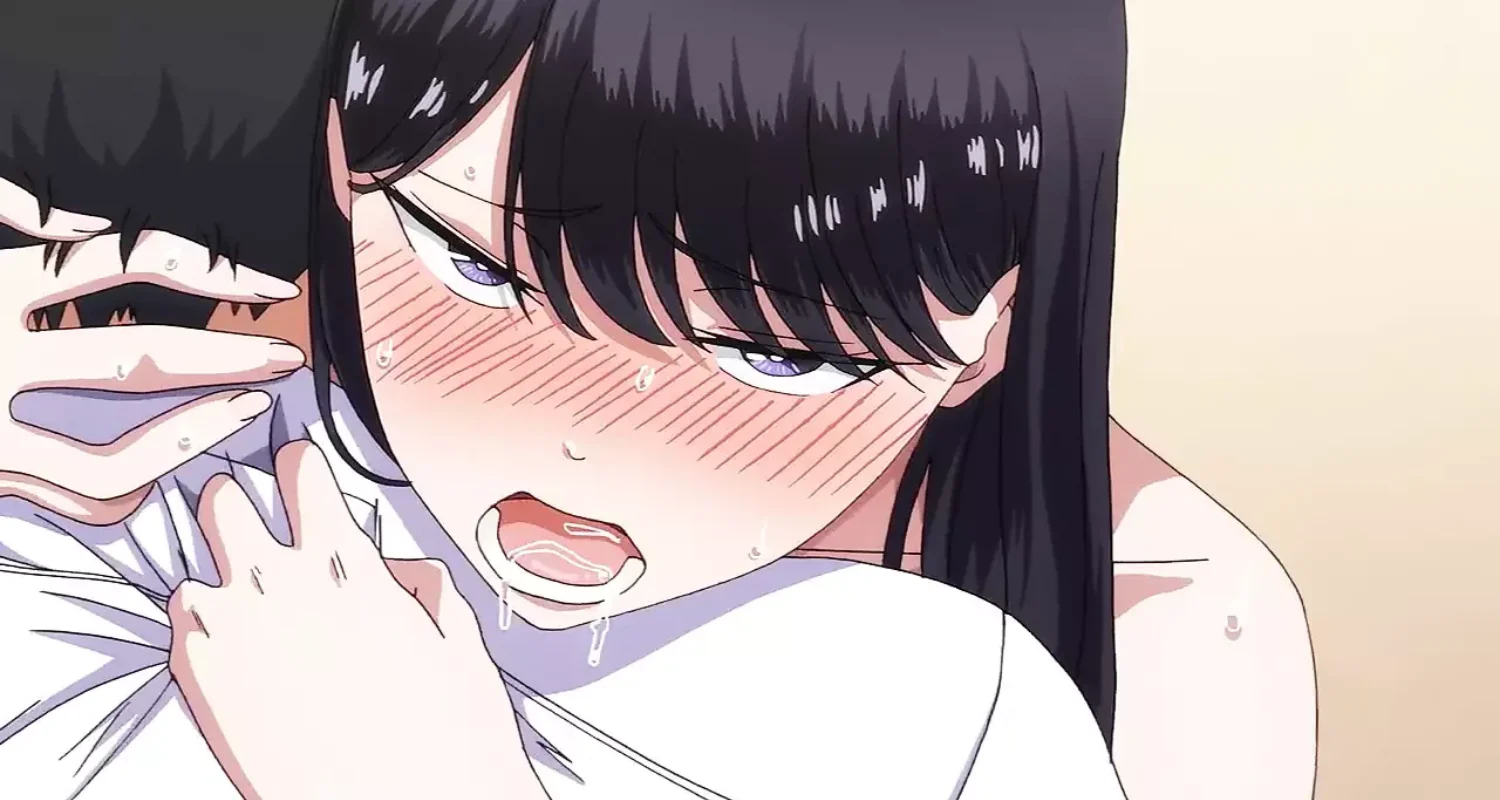


In the late 20th century, technological advancements facilitated the growth of hentai as a distinct genre within anime and manga. The release of the first erotic manga in 1969 marked a significant shift in Japanese pornography. By the 1980s, with the advent of computers and video game consoles, erotic anime began to emerge. These developments set the stage for hentai’s proliferation and its eventual global reach.
Vanilla hentai is characterized by its focus on romantic and consensual relationships between characters. It often depicts tender and affectionate interactions that emphasize emotional connections alongside physical intimacy. This genre appeals to audiences seeking narratives that resemble traditional romantic relationships.
Futanari is a unique genre within hentai that features characters possessing both male and female sexual characteristics. Originating from traditional Japanese beliefs about gender ambiguity, futanari explores themes of identity and challenges conventional gender roles. The genre often depicts hermaphroditic characters engaging in sexual acts with others or among themselves.
Tentacle hentai is known for its fantastical elements involving creatures with tentacles engaging in sexual acts with human characters. This genre has become synonymous with hentai itself due to its widespread recognition and often serves as an introduction for those unfamiliar with explicit anime content.
Netorare (NTR) is a controversial genre within hentai that involves themes of infidelity or betrayal where one partner is seduced away by another character. This genre elicits strong emotional reactions from viewers due to its focus on jealousy and loss rather than mutual pleasure or romance.


